The Healing Pathway
Trauma-Informed Online Counselling & Coaching For Adults Across the UK
I offer trauma-informed online counselling and coaching for adults who are looking to understand themselves more deeply, break unhelpful patterns and create meaningful change. My approach is person-centred, neurodivergent-affirming and LGBTQ+ inclusive, providing a compassionate and non-judgemental space where you can explore your experiences, emotions and challenges at your own pace.Alongside my individual work, I also offer workplace wellbeing pathways, supporting organisations to help employees understand stress, prevent burnout and develop healthier ways of working.Whether you are seeking personal support, professional growth or wellbeing support for your team, The Healing Pathway offers a compassionate space to pause, reflect and move forward.

Explore the different pathways available and discover the approach that feels right for you
About
My healing pathway
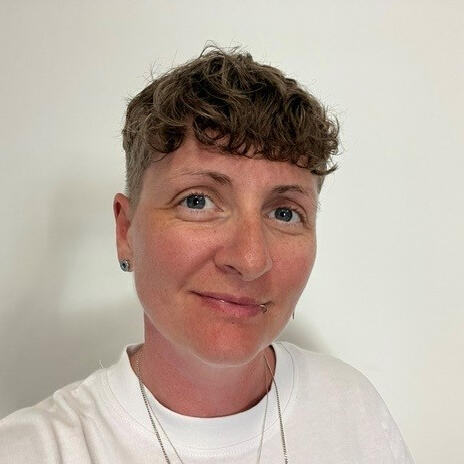
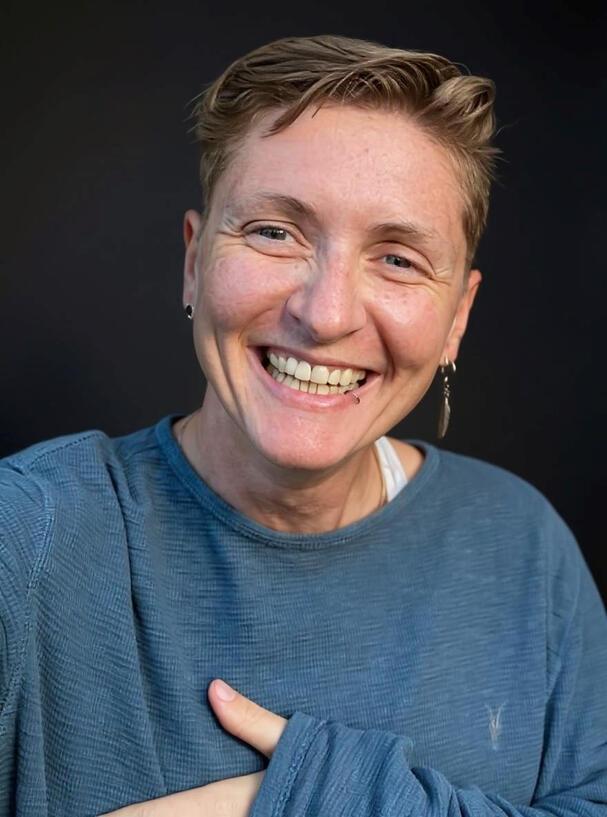
Hi, my name is Evan and I’m the founder of The Healing Pathway.My own journey of healing, self-discovery and understanding has shaped the way I work with others. Through my personal experiences, professional training, and many years of supporting people, I have developed a deep passion for creating spaces where people feel seen, heard, accepted and able to be themselves.Before stepping fully into this work, I spent 15 years working in the care sector supporting children and young people through some of life’s most difficult experiences. This work gave me a deep understanding of the importance of compassion, trust, safety and seeing each person as an individual.Alongside this, I was on my own journey of understanding trauma, neurodivergence, mental health and the many different ways people experience the world. Over time, I became aware that many people need support that recognises the complexity of their experiences, not just focusing on symptoms, but understanding the whole person.This led me to explore different pathways to healing. I began with mindfulness, Reiki and inner child work, then moved into breathwork, coaching and counselling. What I offer now is an integration of these approaches, creating different pathways that can meet people in different seasons of their lives.I believe there is not one single way to heal, grow or reconnect with yourself. Everyone’s journey is different, and part of the process is discovering what support feels right for you, at the right time.
My approach to healing
Healing is a journey, and I offer grounded, compassionate support through counselling, coaching, breathwork, mindfulness and inner child healing. Your healing journey is deeply personal. It is not a linear process, and I do not believe in quick fixes or bypassing difficult experiences. Instead, I offer presence, depth and compassion.Healing is not always comfortable, but it can be transformative. I hold space for you to explore what has been avoided, understand the experiences that have shaped you, reconnect with yourself, and move towards living in a way that feels more authentic and aligned. I believe healing involves the whole person, "mind, body and spirit" and that meaningful change happens when we are able to understand ourselves with greater compassion and acceptance.
Why work with me?
I foster a safe space for all, offering individually tailored support with a spiritually integrated approach
I believe in addressing the whole person: mind, body, and spirit, through a blend of therapeutic and spiritual practices
As a neurodivergent person myself, I recognise the importance of creating a neurodivergent-affirming space where individuals feel accepted, understood and supported
I am committed to creating a welcoming and inclusive environment for all, especially LGBTQIA+ individuals
I am committed to ongoing professional development to continue growing my knowledge, skills and ability to support the people I work with.

Healing by Evan Curwen
The intensity of emotions I feel
Forced to surface in order to heal
Bursting out of my stomach and chest
My mind is in relentless unrest
Past experiences ruminate
Personal choices or Devine fate?
spiritual wealth or Mental health?
The irony is too much to bare
This conscious life seems so unfair
Dragged into darkness, just to know oneness
I'm tired of learning and growing and feeling
I'm tired of wanting and needing and crying
I yearn to feel peace in my mind and my heart
But my soul says "not yet this is only the start"
This journey of awareness is no easy task
But living unconsciously is like wearing a mask
A false persona to fit in with the crowd
But my truth takes over with a voice that's so loud
Step out of your comfort zone
Let go of your ego prone
limiting beliefs, decisions and thoughts
And everything else you've ever been taught
Step into the pain, the fear and the darkness
And trust that your light with heal you with oneness
Counselling Pathway
Breathwork Pathway
Mindfulness Pathway
Coaching Pathway
Inner Child Healing Pathway
Psychedelic Integration Pathway
The Counselling Pathway
Trauma-Informed Online Counselling for Adults Across the UK
When life feels heavy, counselling offers a way through. Maybe you're tired of carrying it all, the overthinking, the emotional weight, the inner critic that never lets up. Maybe you feel stuck in repeating patterns, struggling with past experiences, or have reached a point where things can no longer stay the same. Or maybe you simply need a safe space where you can talk openly, be heard, and feel understood.I offer trauma-informed, person-centred online counselling for adults across the UK, creating a compassionate and non-judgemental space where you can explore your experiences, understand yourself more deeply, and begin to create meaningful change.Counselling is a space where you no longer have to hold everything together. It is a place to be real, to be vulnerable, to explore the things you may have never felt able to say out loud and to gently meet the parts of yourself that have been avoided, hidden, or misunderstood.I believe that you are the expert on your own experience. My role is not to tell you who you should be or provide quick fixes, but to walk alongside you as we explore your story, uncover patterns, develop self-understanding and reconnect with the parts of yourself that may have been lost along the way.Together, we can create space to process difficult emotions, make sense of your experiences, and find new ways of relating to yourself and others that feel more authentic and aligned with who you truly are.Whether you are navigating anxiety, grief, trauma, low self-worth, shame, relationship difficulties, emotional overwhelm, or simply a feeling of being lost or disconnected from yourself, counselling can offer a steady and supportive space to explore what is happening beneath the surface.

This pathway is for you if you ...
Feel stuck, emotionally weighed down, or like you’re carrying things you can’t explain
Are struggling with anxiety, overthinking, emotional exhaustion, or a harsh inner critic
Are experiencing unresolved trauma, grief, shame, or low self-worth
Keep repeating painful patterns in relationships or within yourself
Feel disconnected from who you are and want to develop a deeper understanding of yourself
Are ready to explore the deeper roots of your struggles, not just manage the symptoms
Feel disconnected from who you are and want to understand yourself on a deeper level
Are looking for a safe, reflective space where you can heal, grow, and reconnect with yourself
Want support that recognises your individuality, including your neurodivergent experiences and the way you uniquely experience the world
What is included?
Counselling is an individual process, and there is no fixed timeframe. Everyone’s journey is different, and the length of counselling will depend on your needs, goals and what feels right for you. Sessions are client-led, meaning there is no fixed agenda. We work with whatever feels important for you to bring into the space, at your own pace.- 50-minute one-to-one counselling sessions delivered online via video call
- Weekly or fortnightly sessions depending on your needs
- A confidential and supportive space to explore your thoughts, feelings and experiences
- A compassionate, person-centred approach tailored to youCost: £50 per 50 minute sessionI believe support should be accessible where possible, and I am open to discussing reduced-cost sessions for those experiencing financial difficulty. This can be explored and agreed on an individual basis.
Begin your Counselling Pathway today
If you feel ready to explore counselling and would like to find out whether we are the right fit, you can book an initial conversation below
The Mindfulness Pathway
An 8-Week Online Mindfulness-Based Stress Reduction (MBSR) Programme for Adults Across the UK
A gentle return to the present moment. Mindfulness invites us to slow down, reconnect with ourselves, and meet each moment with greater awareness and compassion. Rather than trying to stop difficult thoughts or force ourselves to feel calm, mindfulness helps us develop the ability to respond to life's challenges with greater clarity, balance and self-understanding.I offer an 8-week online Mindfulness-Based Stress Reduction (MBSR) programme for adults across the UK. Drawing on evidence-based mindfulness practices, the programme combines guided meditation, breath awareness, somatic grounding and reflective exercises to help reduce stress, improve emotional regulation and develop a greater sense of presence in everyday life.Whether you are experiencing anxiety, overwhelm, burnout, or simply want to cultivate a more mindful way of living, this pathway offers practical skills that can support your mental and emotional wellbeing long after the programme has ended.

This pathway is for you if you...
Feel anxious, tense or overwhelmed and want to feel more grounded in everyday life
Find your mind constantly racing or become caught in cycles of overthinking
React quickly to stress or difficult emotions and want to develop greater calm and resilience
Find it difficult to rest, regulate your nervous system or feel at ease within your body
Want practical, evidence-based tools to help manage stress and improve your wellbeing
Are looking for a regular mindfulness practice that supports greater self-awareness, self-compassion and emotional balance
What is included?
- Eight weekly or fortnightly 60-minute online sessions delivered via video call
- Guided mindfulness meditations to support your home practice
- A downloadable workbook with exercises and reflections
- Email support between sessionsInvestment: £360 for the full 8-week programmeFlexible payment plans are available on request
Begin your Mindfulness Pathway today
If you're ready to develop a calmer, more compassionate relationship with yourself, you can book your place below
The Inner Child Healing Pathway
Heal the Younger Parts of Yourself That Continue To Shape Your Life and Break Free from Old Patterns
Many of the struggles we experience in adult life such as low self-worth, anxiety, perfectionism, people-pleasing, emotional overwhelm, relationship difficulties, or a constant feeling of not being enough, often have their roots in childhood experiences that were never fully understood or processed.As children, we learn about ourselves through the way we are treated. We may have learned that it wasn't safe to express emotions, that our needs came second, or that love and acceptance had to be earned. We may have felt unseen, misunderstood, criticised, neglected or shamed. These early experiences can quietly shape how we see ourselves, what we believe we deserve, and how we navigate relationships throughout our lives.Inner child healing is an opportunity to reconnect with those younger parts of yourself with compassion rather than judgement. It is not about blaming parents or becoming stuck in the past. Instead, it is about understanding how your early experiences continue to influence your present, meeting unmet emotional needs, and developing a kinder, more compassionate relationship with yourself.Unlike traditional counselling, this pathway offers a structured approach focused specifically on reconnecting with and nurturing your inner child through guided reflection, visualisation exercises, journalling, self-compassion practices and practical tools that you can continue using long after the programme has finished.As you begin healing these younger parts of yourself, many people notice they become less controlled by old patterns, develop healthier boundaries, build greater emotional resilience, and experience a deeper sense of self-worth, self-acceptance and inner safety.

This pathway is for you if you...
Feel like you're never "enough," no matter how much you do or achieve
Struggle to express your needs, emotions or boundaries
Notice recurring relationship patterns such as people-pleasing, co-dependency or fear of abandonment
Live with a harsh inner critic or carry shame that feels difficult to understand
Find yourself becoming emotionally triggered and want to understand why
Sense that part of you still feels wounded, frightened or unheard
Want to learn how to re-parent yourself with greater compassion, acceptance and care
What is included?
- Ten weekly or fortnightly 60-minute online sessions delivered via video call
- Guided visualisations, reflective exercises and practical tools to support your healing
- A structured workbook to continue your learning between sessions
- Email support between sessionsInvestment: £450 for the full 10-session pathwayFlexible payment plans are available on request
Begin your Inner Child Healing Pathway today
If you're ready to understand yourself more deeply, heal old emotional wounds and build a more compassionate relationship with yourself, you can begin your Inner Child Healing Pathway below
The Breathwork Pathway
Learn to Use Your Breath to Regulate Your Nervous System and Support Emotional Wellbeing
Breathing is something we do every moment of every day, yet most of us have never been taught how to breathe efficiently or understand the powerful influence our breath has on our nervous system, emotions and overall wellbeing.Stress, anxiety and difficult life experiences can gradually change the way we breathe without us even realising. Over time, many people develop shallow or inefficient breathing patterns that keep the body in a constant state of alert, making it harder to feel calm, present and emotionally balanced.This pathway begins by helping you understand why healthy breathing matters. You'll learn how your breath affects your nervous system, practise diaphragmatic (abdominal) breathing, and develop practical breathing techniques that you can use in everyday life to help manage stress, anxiety and emotional overwhelm.As your confidence grows, we'll gradually build towards a guided conscious connected breathwork session. This provides an opportunity to explore your inner experience in a safe and supportive environment, allowing you to deepen your self-awareness, reconnect with your body and process emotions in a way that talking alone cannot always provide.Whether you're looking to improve your breathing, regulate your nervous system, complement your counselling journey or simply reconnect with yourself, this pathway offers practical skills that can continue supporting your wellbeing long after the programme has ended.

This pathway is for you if you...
Often feel anxious, stressed or emotionally overwhelmed
Notice that your breathing becomes shallow or restricted when you're under pressure
Want to understand how your breath influences your nervous system and emotional wellbeing
Are looking for practical techniques to help you feel calmer, more grounded and present
Feel disconnected from your body and would like to reconnect with yourself in a gentle and supportive way
Are curious about conscious connected breathwork but would prefer to build your confidence gradually rather than jumping straight into the experience
What is included?
- Six weekly or fortnightly 60-minute online sessions delivered via video call
- Education about breathing, the nervous system and emotional wellbeing
- Practical diaphragmatic (abdominal) breathing techniques and guided home practice
- A gradual introduction to conscious connected breathwork
- A guided conscious connected breathwork session
- A downloadable workbook with exercises and reflections
- Email support between sessionsInvestment: £270 for the full six-session pathwayFlexible payment plans are available on request
Begin your Breathwork Pathway today
If you're ready to understand your breath, regulate your nervous system and discover the transformative potential of conscious connected breathwork, you can begin your Breathwork Pathway below
The Integration Pathway
Psychedelic Integration Counselling to Help You Make Sense of Your Experience
A psychedelic or plant medicine ceremony can be a deeply meaningful experience. It may bring profound insight, emotional release, spiritual connection or a new perspective on your life. It can also leave you feeling vulnerable, confused or uncertain about what it all means.The ceremony is only one part of the healing journey. Lasting transformation comes through integration: taking time to understand your experience, make sense of what emerged and find ways to bring those insights into your everyday life. Whether you're working with psilocybin, ayahuasca, San Pedro or another plant medicine, this pathway offers a safe, confidential and trauma-informed space to reflect on your experience without judgement.Together, we'll explore the thoughts, emotions, memories and insights that surfaced during your journey, helping you understand what feels significant while remaining grounded in your everyday life. My role isn't to interpret your experience for you or tell you what your experience means. Instead, I'll walk alongside you as you discover your own understanding and decide how you want to move forward.Integration is rarely a single moment of understanding. It unfolds gradually as you reflect on your experience, notice changes in your daily life, and begin making choices that feel more aligned with who you are. This pathway provides a supportive space for that process to develop naturally, without pressure or expectation.

This pathway is for you if you...
Have recently attended, or are preparing to attend, a psychedelic or plant medicine ceremony
Want support making sense of what surfaced during your journey
Feel emotionally overwhelmed, confused or uncertain after a ceremony
Have noticed new memories, emotions or insights that you'd like to explore in a safe, trauma-informed space
Want to bring the wisdom of your experience into your everyday life in a grounded and meaningful way
Are looking for compassionate, non-judgemental support throughout your integration journey
What is included?
Four 60-minute online sessions delivered via video call
- Session 1: Approximately one week after your ceremony
- Session 2: Two to three weeks after your ceremony
- Session 3: Four to six weeks after your ceremony
- Session 4: Eight to twelve weeks after your ceremony
- Email support between sessionsInvestment: £300 for the four-session integration pathwayAdditional preparation or integration sessions can be booked before or after your ceremony at £75 per hour
Begin your Psychedelic Integration Pathway today
If you're looking for a compassionate, grounded space to make sense of your psychedelic or plant medicine experience and integrate its insights into your everyday life, you can begin your Integration Pathway below
The Coaching Pathway
Compassionate Online Coaching to Help You Move Forward with Clarity, Confidence and Purpose
Sometimes we know what we want to change, but no matter how motivated we feel, something keeps getting in the way. We set goals, make plans and promise ourselves that this time will be different, only to find ourselves stuck in the same patterns of procrastination, self-doubt, perfectionism or overwhelm. Coaching offers a forward-focused space to help you gain clarity, reconnect with what matters most and take meaningful steps towards the life you want to create.Unlike counselling, which often focuses on exploring and healing past experiences, coaching is centred on where you are now and where you want to go next. While the focus remains on the future, meaningful change often begins by understanding what is making that next step feel difficult.Rather than simply setting goals and hoping you'll achieve them, we'll become curious about the thoughts, emotions and beliefs that may be keeping you stuck. Sometimes the barriers are practical, but often they're rooted in fear, self-doubt or protective patterns that developed earlier in life. Through reflective conversation and, where appropriate, mindfulness, visualisation and other experiential techniques, we'll gently explore these blocks with compassion rather than judgement.As your understanding grows, we'll identify realistic, achievable actions that feel aligned with your values and the life you want to create. Alongside this, I'll provide encouragement, support and compassionate accountability, helping you stay connected to your intentions even when life feels challenging.Whether you're navigating a career change, building confidence, strengthening relationships, exploring your purpose or creating healthier boundaries, coaching provides a supportive space to develop greater self-awareness while taking meaningful action towards lasting change.

This pathway is for you if you...
Feel stuck, lost or unsure about the next chapter of your life
Know you want to make changes but struggle to take action or stay consistent
Want to build greater confidence, motivation and self-belief
Feel disconnected from your values, purpose or authentic self
Are navigating a significant life transition, personal growth or spiritual awakening
Find yourself held back by fear, procrastination, perfectionism or self-doubt
Would benefit from encouragement, accountability and compassionate support while working towards your goals
Are ready to create meaningful, sustainable change that feels aligned with who you are
What is included?
- Six 60-minute one-to-one coaching sessions delivered online via video call
- Personalised guidance, reflective exercises and practical tools to support your progress between sessions
- Compassionate accountability to help you stay focused on the changes you want to create
- Email support between sessionsInvestment: £350 for the six-session coaching pathwayAfter completing the programme, you're welcome to continue with flexible ad-hoc coaching sessions at £60 per session should you wish to deepen or continue your work.
Begin your Coaching Pathway today
If you're ready to understand what's been holding you back and begin moving forward with greater clarity, confidence and purpose, you can begin your Coaching Pathway below
Blog Articles
Free Guides
Worksheets
Free Guides
A gentle guide to understanding the emotional patterns that quietly shape your life and learning how your inner child may still be showing up in adulthood.
A reflective guide exploring why psychedelic experiences can continue affecting us after the trip ends, and why integration, grounding, and self-understanding are important afterwards.
A short guide exploring the roots of people pleasing, why it can feel so difficult to change, and how developing self-awareness, boundaries, and self-compassion can support healthier relationships with yourself and others.
Worksheets
A self-reflection worksheet to help you identify your default trauma response. Whether that's fight, flight, freeze or fawn and begin to understand how it might be showing up in your day to day life.
Why Awareness Alone Doesn't Always Create Change
Awareness is often the first step in healing. Whether through counselling, mindfulness, journaling or self-reflection, many people begin to recognise patterns they may never have noticed before. They start to understand why certain situations trigger strong emotions, why they struggle to set boundaries, or why they find themselves repeating the same relationship dynamics.This awareness can be incredibly powerful. It helps us move from reacting automatically to observing ourselves with greater understanding. For many people, simply recognising a pattern can bring a sense of relief. Things that once felt confusing begin to make sense. However, awareness alone does not always create lasting change.Many people can clearly identify their patterns. They know they are people pleasing. They understand that they avoid conflict. They recognise that their inner critic is harsh and demanding. Yet despite this insight, they often find themselves continuing to respond in the same ways. This can feel frustrating. If we understand the problem, why does it keep happening?Part of the answer is that many of our behaviours were learned long before we became consciously aware of them. They developed as ways of coping, staying safe, gaining approval, or protecting ourselves from emotional pain. Over time, these responses can become deeply ingrained and largely automatic.For example, someone who learned as a child that keeping others happy reduced tension or conflict may continue to prioritise other people's needs long into adulthood. Even when they understand the origins of their people pleasing, saying "no" may still trigger anxiety, guilt, or fear of rejection.This is because change often requires more than insight. It involves creating new experiences that gradually teach the mind and body that a different way of responding is possible.This might include practising healthier boundaries, learning to tolerate uncomfortable emotions, developing self-compassion, challenging long-held beliefs, or exploring the deeper emotional needs that sit beneath our behaviours.Change is rarely about forcing ourselves to stop doing something. More often, it involves understanding what purpose the behaviour has been serving and finding healthier ways to meet those needs.Awareness shines a light on the path, but walking the path usually requires action, support, and patience. Healing is not simply about understanding ourselves. It is about gently putting that understanding into practice, one small step at a time.While awareness of these patterns can be incredibly powerful, it is often not enough on its own to create lasting change. When anxiety and nervous system responses have been shaped over many years, they tend to shift more gently, through repetition, practice, and support. This is where having consistent guidance can be helpful to support the process of noticing patterns in real time, understanding what is happening in the nervous system, and gradually building new ways of responding that feel safer and more sustainable.
Why Anxiety Can Feel Different for Neurodivergent People
Many people think of anxiety as something that looks and feels the same for everyone, perhaps racing thoughts, worry, tension, or physical discomfort in stressful situations.But for many neurodivergent people, anxiety can feel different. Not necessarily “more” or “less,” but experienced through a nervous system that processes the world in a different way.Neurodivergence is an umbrella term often used to describe variations in how the brain and nervous system function. This can include people who identify with or relate to autism, ADHD, and other forms of cognitive difference, whether formally diagnosed or not. While each person’s experience is unique, many describe a heightened sensitivity to sensory, emotional, and social information.This can mean that everyday life carries more input to process. Sounds, lights, movement, social cues, emotional tone, and even subtle changes in environment can all be registered more intensely by the nervous system.When the nervous system is consistently taking in more information, it can become more easily overstimulated and when the system is overwhelmed, anxiety is often one of the ways this shows up.In this context, anxiety is not only about thoughts or worry. It is also a physiological response. The body’s way of trying to create safety, predict outcomes, and manage overload.For some neurodivergent people, this can mean anxiety feels less like a response to a specific event and more like a baseline state. A sense of being “on alert,” even when nothing obvious is wrong.This heightened state can also make emotional regulation more challenging. When the nervous system is already activated, smaller stressors can feel amplified. A change in routine, a difficult conversation, or a sense of misunderstanding can quickly move from manageable to overwhelming.Over time, many people develop coping strategies to manage this intensity. These might include masking, overthinking, people pleasing, avoidance, hyper-independence, or withdrawing from overstimulating environments. These strategies are often not conscious choices, but adaptations the nervous system has learned in order to maintain safety and stability.While these coping strategies can be helpful in the short term, they can also be exhausting to maintain. It can be supportive to begin shifting the question from “What is wrong with me?” to “What is my nervous system responding to?”From this perspective, anxiety is not something to simply eliminate or fight against. It becomes information. A signal that something in the environment, internal state, or emotional load may be too much to process at once.This might involve exploring what environments feel overstimulating or draining? When does my nervous system feel most settled or safe? What patterns tend to lead to overwhelm? What helps me to regulate my nervous system?Supporting a neurodivergent nervous system often involves creating conditions that allow for regulation rather than pushing through discomfort. This can include rest, sensory awareness, boundaries, predictable routines, co-regulation with safe people and gentle awareness of early signs of overload.Many neurodivergent people grow up feeling like they are “too sensitive,” “too reactive,” or “not coping properly,” when in reality their nervous system has simply been trying to adapt to environments that were not designed with their needs in mind.There is nothing inherently wrong with a sensitive nervous system. In many cases, it reflects depth of perception, awareness, and emotional attunement. The challenge is often not the sensitivity itself, but the lack of support and understanding around it.When anxiety is understood in this way, it becomes less about fixing ourselves and more about learning how to work with our nervous system, rather than against it.Mindfulness and breathwork can be supportive tools for working with a sensitive or easily overwhelmed nervous system. Rather than trying to force calm, these practices gently help bring awareness back into the body and create small moments of regulation within the day. This might look like noticing breath patterns during stress, grounding through the senses, or simply learning to pause and recognise when the nervous system is becoming overloaded. Over time, these small moments of awareness can help build a greater capacity to stay present with experience, without becoming as easily overwhelmed by it.
Why Healing Doesn’t Always Feel Good
There's this idea floating around that healing should feel calm, peaceful, maybe even a bit spa-like. Candles, deep breaths and gong baths. And sure, those moments exist. But if we're being honest, healing often feels more like rummaging through the attic you've been avoiding for years and suddenly noticing things you'd managed to successfully ignore, that now you need to deal with and wondering why you ever started in the first place and going on a side quest.This can be confusing. You start a healing journey expecting to feel better, and instead you feel... worse? More emotional? Like you've somehow made everything harder? Cue the inevitable thought: Was I actually fine before? Am I making things worse?Here's the thing, discomfort is often a natural part of change. Many of the patterns we carry developed as ways of coping. They helped us survive difficult experiences, manage relationships, avoid deeper pain. They were useful, until they weren't. When those patterns start to shift, it can feel unsettling. Your mind and body are being asked to do something different after years of doing it another way. Resistance, emotion, uncertainty, they're all part of that recalibration.And as awareness grows, previously unprocessed feelings can start surfacing. Not because something's going wrong, but because you're no longer holding everything in quite the same way. Healing can also involve grief. For versions of yourself that developed to cope. For relationships that no longer fit. For experiences that were never fully felt at the time and even for the version of yourself you didn't get to be.None of this moves in a straight line. It's more like one step forward, three steps sideways, and occasionally falling into a ditch you didn't see coming. Progress isn't always obvious and that can feel lonely, especially when the people around you aren't on a similar path, or when what you're experiencing is hard to put into words.This is where support matters. Not the "love and light" crew. The kind where someone can acknowledge the full experience, the uncertainty, the grief, the discomfort, all without rushing to fix it. Sometimes that's a friend who can hold space. Sometimes it's a professional who can sit alongside you through the darker, messier parts.Trust becomes important here. Trust in yourself, even when things feel uncertain. Trust that something is shifting, even when you can't see it yet. And sometimes, it's the repeated act of surrendering to the process again and again, that allows change to unfold.When we expect healing to feel good, and it doesn't, we can mistake this for failure. Healing is a gradual unfolding of stepping into new versions of yourself whilst letting go of old versions. As such, healing is rarely comfortable, but discomfort isn't a bad thing. It is an invitation to see what feels out of alignment and to find your true authentic self. Not a perfected, polished version but a more honest, grounded, self-accepting self without so much baggage dragging along for the ride.Yes, it’s messy and painful and confusing and lonely and maybe you need to become a hermit for a while but remember not to stay there for too long, you’re not alone in it. Even when it feels like it. So if you’re here in this process, questioning, unpacking, feeling a bit unravelled and also a bit more awake at the same time — I get it, and I’m glad you’re here. Get in touch if you need a helping hand.
Why Therapy Hasn't Worked for Me: What Neurodivergent People Need to Know
So you tried therapy. Maybe even several different types of therapy. You sat in the room (or on the video call), you answered the questions, you did the homework, and you waited to feel better. And then... not much happened. Or things got a bit better for a while and then quietly unravelled again. Or you spent six sessions explaining your entire childhood and then got discharged with a leaflet about sleep hygiene. If that's you, first of all, that sounds genuinely exhausting and second of all, I want to say something important. I get it, I've been there and it doesn't mean that you can't be helped, it might mean you weren't getting the right kind of help.When most people access therapy through the NHS or a workplace scheme, they tend to get CBT (Cognitive Behavioural Therapy). CBT isn't bad, it's genuinely helpful for many people. But it works on a pretty specific assumption. That if you can identify a negative thought and challenge it with a more rational one, your feelings and behaviours will follow. Which sounds reasonable, logical even. Until you're neurodivergent and your brain goes "Yes, I know this thought is irrational. I've known that for years. Knowing that doesn't make it go away. Thanks though."CBT is also typically time-limited, structured, and goal-focused. Which, again, works brilliantly for some people. But if your nervous system processes the world differently, if you struggle with emotional regulation, if you've spent most of your life masking just to get through the day, then six structured sessions aimed at your thought patterns might not even be scratching the surface.Here's something worth knowing. A lot of the things that bring neurodivergent people to therapy, anxiety, low self-worth, burnout, relationship difficulties, the feeling that you're fundamentally too much or not enough or just living life all wrong, aren't just thought patterns to be corrected. They're often the result of years of living in a world that wasn't built for your brain.Masking. Constantly adapting. Suppressing your needs to fit in. Being told (directly or indirectly) that the way you experience the world is wrong. That stuff lives in the body, not just the mind. And it doesn't magically disappear with a worksheet.
There's also the sensory side. Many neurodivergent people find the sensory environment of therapy itself (a new space, a stranger, fluorescent lighting, eye contact norms), quietly exhausting to navigate. You can be putting so much energy into just being there that there's not much left for the actual work. And then there's the masking that happens in the therapy room itself. Presenting as more "together" than you feel because that's just what you do. Giving the answers that seem most helpful. Performing okayness. Which is not ideal when the whole point is to not do that."But I knew all of this about myself and it still didn't help" is such a common one. You've done the reading, you know your attachment style, your trauma responses, your nervous system patterns. You can explain your own psychology in impressive detail and yet here you are, still doing the thing, still feeling the thing, still stuck.Awareness is powerful. But awareness alone doesn't always create change, especially when the patterns you're trying to shift developed before you even had words for them. They're wired in. They're in your nervous system. They kept you safe once and your body hasn't quite got the memo that things are different now. This is why approaches that work with the body, with emotion, with the parts of you that formed long before your conscious mind got involved, tend to feel more effective for a lot of neurodivergent people. Not because talking is useless, but because talking alone often isn't the whole picture.So what does help? There's no one-size-fits-all answer here (and if someone tells you there is, run). But some things that tend to resonate more for neurodivergent people include a flexible, integrative approach, one that can follow you rather than a fixed structure. Some weeks you might need to talk. Others you might need to breathe, or move, or sit in silence for a bit.Healing isn't always linear and the support shouldn't have to be either.
Somatic and body-based work, things like breathwork and mindfulness that help regulate the nervous system, not just reframe the thoughts. When the body feels safer, everything else gets a bit easier. A lot of neurodivergent people carry a lot of pain from childhood. Not always from obvious trauma, but from years of feeling different, misunderstood, too much, not enough. That younger part of you often needs more than cognitive reframing. It needs to be heard, seen, and genuinely met.
A therapist who actually gets it, ideally one who has some lived experience of neurodivergence, not just theoretical knowledge of it. There's a difference between someone who has read about masking and someone who knows what it costs you.A note on late diagnosis. A lot of people are coming to therapy now having recently discovered they're autistic or ADHD or simply recognising themselves in those experiences without a formal diagnosis and that process of suddenly seeing your whole life through a different lens can be a lot to hold. Previous therapy may not have accounted for any of this. You might have been given strategies that work fine for neurotypical nervous systems and felt like a failure when they didn't land. You're not a failure. The fit just wasn't right.So what now? If therapy hasn't worked for you before, I'd gently encourage you not to write it off altogether, but to get curious about what kind of support might actually fit how you're wired. You deserve more than six sessions and a breathing exercise PDF. You deserve something that meets the full complexity of who you are, your nervous system, story, body, and all.If you're neurodivergent (diagnosed, self-identified, or just quietly suspicious) and you've been let down by traditional approaches, that's not a reflection of you. It's a reflection of how limited those approaches can be. There are other pathways. You just haven't found yours yet.
Frequently Asked Questions
How do I know which pathway is right for me?
You don't need to know which pathway is right for you before getting in touch. Many people reach out knowing they want support but feeling unsure about the best approach. Each pathway offers something different. Counselling provides a space to explore emotions, experiences and challenges, while coaching focuses on understanding what may be holding you back and supporting you to move towards your goals. Mindfulness, breathwork, inner child healing and psychedelic integration offer additional approaches depending on your needs and personal journey. We can discuss what's bringing you here and explore which pathway feels like the best fit for you. If you're unsure where to begin, you can book a free discovery call and we'll take some time to explore what support would feel most helpful.
What is the difference between counselling and coaching?
Counselling and coaching both offer supportive spaces for personal growth, but they have different focuses. Counselling provides a space to explore your thoughts, emotions and life experiences, helping you understand yourself more deeply and process challenges that may be affecting your wellbeing. It is often helpful when you are experiencing emotional distress, difficult life experiences, trauma, anxiety, low self-worth or feeling overwhelmed. Coaching is more focused on where you are now and where you want to go next. It supports you to understand what may be holding you back, clarify your goals and take meaningful action towards creating change in your life. Sometimes there may be overlap between the two, and we can explore which approach feels most supportive for your current needs.
What if I’ve never had counselling or coaching before?
You do not need any previous experience of counselling or coaching to begin. You do not need to have everything figured out before reaching out. The first step is simply having a conversation about what you are looking for and whether my approach feels right for you. We will work at a pace that feels comfortable, with no expectation that you need to share more than you are ready to.
Can I combine pathways?
Each pathway is a standalone offering designed to support different areas of personal growth and healing. For example, counselling provides a space to explore your emotions, experiences and challenges, while mindfulness, breathwork and inner child healing each have their own specific focus and structure. Some people choose to work through one pathway at a time, while others may feel drawn to explore different approaches at different stages of their journey. My coaching sessions offer a more flexible and integrative approach, where we can explore what is most relevant for you at that time. Depending on your goals and needs, this may include elements of mindfulness, breathwork, inner child healing, somatic practices, reflection and self-exploration. If you're unsure which approach feels right for you, we can explore this together and find the pathway that best supports where you are currently.
Who do you work with?
I work with adults experiencing a wide range of challenges, including anxiety, low self-worth, shame, trauma, emotional overwhelm, people pleasing, relationship difficulties, feeling disconnected from themselves, and struggling to understand their own thoughts, feelings and behaviours. I have a particular interest in supporting people who have spent much of their lives feeling misunderstood, unseen, or like they have had to adapt themselves to fit in. This includes many neurodivergent individuals and LGBTQ+ clients who may have experienced masking, rejection, shame or feeling like they don't fully belong. My approach is inclusive and welcoming to everyone. You don't need to identify with a particular label or experience to work with me. If you are seeking a safe space to explore your experiences, understand yourself more deeply and create meaningful change, you are welcome.
Do you offer online sessions across the UK?
Yes. I offer online counselling and coaching sessions for adults across the UK via secure video call, allowing you to access support wherever you are. Online sessions provide a flexible way to access support from the comfort of your own space. Many people find that being in a familiar environment helps them feel more relaxed and able to engage with the process. I am based in Brighton and may also offer limited face-to-face sessions locally in the future, alongside in-person workshops and events such as breathwork and mindfulness experiences. I may also be able to work with clients living outside of the UK where time zones allow. If you are unsure whether online sessions would work from your location, please get in touch to discuss.
What happens during and after a discovery call?
A discovery call is a free, 20-minute, no-obligation conversation to help us understand what support you are looking for and whether one of my pathways feels like the right fit for you. During the call, we will discuss what has brought you here, what you would like support with and any questions you may have about how I work. It is also an opportunity for you to get a feel for whether I am the right person to support you. There is no expectation to book a pathway at the end of the call and I will never pressure you into making a decision. I also do not follow up with unsolicited messages after the call. If you feel ready to begin working together, we can discuss the next steps. If you need time to reflect, that is completely okay.
What does trauma-informed mean?
A trauma-informed approach recognises that our past experiences can shape how we think, feel, relate to others and respond to the world around us. Rather than focusing only on symptoms or behaviours, trauma-informed support considers the experiences and needs behind them. It means creating a space that prioritises safety, trust, choice and compassion, allowing you to explore your experiences at a pace that feels right for you. It also recognises that trauma is personal. You do not need to have experienced a specific event or identify with the word "trauma" to benefit from a trauma-informed approach. Many people carry experiences of shame, stress, rejection, feeling misunderstood or having their needs unmet, and these experiences can impact how we see ourselves and navigate life.
What is a person-centred approach?
Person-centred counselling is based on the belief that you are the expert on your own life and that, with the right support, you have the ability to understand yourself, grow and move towards positive change. Rather than me telling you what to do, giving advice or directing you towards a particular outcome, our work focuses on creating a safe, supportive relationship where you can explore what feels important to you at your own pace. You lead the direction of the sessions, bringing what feels most present for you, while I support you through empathy, reflection and gentle exploration. Together, we work with what emerges, helping you develop greater self-awareness and understanding.
Are sessions confidential?
Yes. Confidentiality is an important part of creating a safe and trusting space. What you share during sessions remains private, with the exception of situations where there is a serious concern about your safety or the safety of someone else, or where I am legally required to share information. As part of ethical counselling practice, I also discuss my work in supervision. Any information shared in supervision is anonymised and used to support safe and effective practice.
Is breathwork safe?
Breathwork can be a safe and supportive practice when it is approached appropriately and adapted to the individual. Learning to breathe well, develop awareness of your breathing patterns and practise gentle breathing techniques is suitable for most people and can support relaxation, grounding and nervous system regulation. More intensive practices, such as conscious connected breathwork ceremonies, create a deeper physiological and emotional experience and are not suitable for everyone. Before taking part, we will discuss any relevant health considerations to ensure the practice is appropriate and feels safe for you. Conscious connected breathwork may not be suitable for people who are pregnant, have certain cardiovascular conditions, uncontrolled high blood pressure, a history of certain medical or psychological conditions, or other circumstances where altered breathing patterns may not be recommended. Your wellbeing and safety always come first, and I will always encourage you to seek medical advice if you are unsure whether breathwork is appropriate for you.
Can I cancel or get a refund for a pathway?
If you need to cancel a pathway before it begins, a full refund is available when cancellation is requested at least 7 days before the start date. Once a pathway has started, refunds are not available. However, if you feel the pathway is not the right fit for you, we can discuss what is not working and explore whether a different approach may better support your needs.For individual ad-hoc sessions, I require 48 hours’ notice if you need to cancel or reschedule. Cancellations made with less than 48 hours’ notice may still incur 50% of the session fee. I understand that circumstances can change, and I always aim to approach these situations with fairness, communication and compassion.
How do you use my personal information?
I collect and use personal information to provide and manage counselling services. This may include contact details and information about your health and wellbeing. I keep your information secure and only share it where there is a lawful reason to do so.You can request a copy of my full Privacy Notice, which explains how I collect, use, store and protect your information and your rights in relation to your personal data.Clients will be offered a copy of the Privacy Notice when completing the Client Information Form.
Workplace Wellbeing
Supporting healthier workplaces by supporting the people within them.
When people spend their working lives supporting others, meeting deadlines, managing increasing workloads or navigating emotionally demanding situations, it's easy for their own wellbeing to be overlooked.Over time, ongoing stress can affect confidence, relationships, motivation, concentration and overall wellbeing. Left unaddressed, it may contribute to burnout, compassion fatigue, increased sickness absence and staff turnover.At The Healing Pathway, I provide trauma-informed Workplace Wellbeing Pathways that help organisations take a proactive approach to supporting their employees. Rather than offering generic wellbeing talks, my workshops focus on practical, evidence-informed strategies that help people better understand stress, protect their wellbeing and develop healthier ways of working.
Why workplace wellbeing matters
Many organisations already provide support through an Employee Assistance Programme (EAP), giving staff access to counselling when they need it.Supporting employee wellbeing isn't simply about responding when someone reaches crisis point, it's about creating opportunities for people to recognise stress early, understand how it affects them and develop practical skills that support their wellbeing every day.My Workplace Wellbeing Pathways are designed to complement existing wellbeing initiatives, helping organisations invest in prevention as well as support. Participants leave with practical tools they can apply immediately, both in the workplace and at home.
Designed for organisations where people matter
My Workplace Wellbeing Pathways are particularly suited to organisations where staff work in emotionally demanding or high-pressure environments, including:
Health and social care
Charities and voluntary organisations
Education
Housing and community services
Support organisations
Public sector teams
The principles explored throughout these pathways can also benefit any organisation committed to creating a healthier, more supportive workplace culture.
My Approach
Every Workplace Wellbeing Pathway is:
Trauma-informed
Neurodivergent-affirming
Evidence-informed
Practical and interactive
Focused on realistic strategies that can be used in everyday working life
Rather than asking people to simply become more resilient, I help them understand themselves, recognise the signs of stress and develop healthier ways of responding before they reach burnout.
Choose the Workplace Wellbeing Pathway that's right for your team
Every workplace faces different challenges. That's why I've developed two Workplace Wellbeing Pathways, each focusing on a specific area of employee wellbeing.
Stress, Burnout & Wellbeing Pathway
Supporting employees to recognise stress early, understand burnout, develop healthy boundaries and build sustainable wellbeing practices. Ideal for organisations experiencing increasing workloads, workplace pressure or rising levels of stress.
Supporting Those Who Support Others Pathway
Helping people working in emotionally demanding roles understand compassion fatigue, protect their own wellbeing and continue supporting others without neglecting themselves.
The Stress, Burnout & Wellbeing Pathway
Helping your team recognise stress early, prevent burnout and develop healthier ways of working.
Healthy organisations rely on healthy people. Yet many employees spend so much time meeting deadlines, supporting others and managing increasing demands that they fail to notice the impact stress is having until they begin to feel overwhelmed or burnt out.By the time someone reaches crisis point, the effects may already be influencing their wellbeing, confidence, relationships, engagement and ability to perform at their best. This can lead to increased sickness absence, reduced morale, higher staff turnover and a workplace culture where people feel they simply have to keep pushing through.The Stress, Burnout & Wellbeing Pathway is designed to take a proactive approach. Rather than waiting until employees need support, this pathway helps them understand how stress develops, recognise the early warning signs of burnout and learn practical strategies that can help protect their wellbeing before problems become more significant.Drawing on trauma-informed practice, neuroscience, mindfulness and nervous system awareness, the pathway provides realistic techniques that employees can use during their working day and beyond. The focus is not on asking people to simply become more resilient, but on helping them understand themselves, work more sustainably and feel better equipped to look after their wellbeing.Every organisation is different, which is why this pathway can be delivered as a one-hour introduction, a half-day interactive workshop or a full-day wellbeing programme depending on the needs of your team.
This pathway is ideal for organisations that...
Want to take a proactive approach to employee wellbeing rather than only responding when people are struggling
Are noticing increasing levels of workplace stress or emotional exhaustion
Want to help reduce burnout and stress-related sickness absence
Recognise that healthier employees are more engaged, productive and able to support one another
Want to provide staff with practical strategies they can continue using long after the workshop has finished
Employees will leave with...
A greater understanding of stress, burnout and the nervous system
Increased awareness of their own stress triggers and early warning signs
Practical mindfulness and grounding techniques that can be used during the working day
Greater confidence in setting healthier boundaries and recognising the importance of recovery
A personalised toolkit of strategies to help support their ongoing wellbeing
What is included?
The Stress, Burnout & Wellbeing Pathway is available in three delivery options, allowing you to choose the level of support that best suits your organisation.
Awareness Pathway - 60 minute workshop
A practical introduction designed to increase awareness of stress and burnout while providing simple, evidence-informed techniques that staff can begin using immediately.
Growth Pathway - Half-day workshop
A more interactive experience that combines learning, discussion and practical exercises to help employees develop skills for managing stress, protecting their wellbeing and creating healthier working habits.
Wellbeing Pathway - Full-day programme
A comprehensive wellbeing experience that allows participants to explore stress and burnout in greater depth while developing personalised strategies to support their long-term wellbeing at work and beyond.
Investment
Every organisation is unique, and costs will depend on the size of your team, the delivery option chosen and whether the workshop is delivered online or in person.Please get in touch for a tailored quotation.
Begin your Workplace Wellbeing Pathway
If you're looking to support your team with a practical, compassionate and proactive approach to stress and burnout, I'd be happy to discuss your organisation's needs and help you choose the most appropriate pathway.Enquire today to arrange an informal conversation.
Supporting Those Who Support Others Pathway
Helping employees working in emotionally demanding roles recognise compassion fatigue, protect their wellbeing and continue supporting others without losing themselves in the process.
For many people working in helping professions, caring for others isn't simply part of the job, it becomes part of who they are. Whether supporting vulnerable people, responding to crisis, listening to distress or carrying responsibility for the wellbeing of others, the emotional demands of these roles can gradually take their toll.Over time, continually giving emotional energy without taking time to replenish it can contribute to compassion fatigue, emotional exhaustion and a reduced sense of wellbeing. Employees may find themselves becoming overwhelmed, emotionally drained, detached, or struggling to switch off at the end of the day. Without recognising these early signs, people can begin to lose the passion and fulfilment that first drew them to their profession.The Supporting Those Who Support Others Pathway takes a proactive approach to helping employees understand the emotional impact of caring roles while developing practical strategies to care for themselves alongside those they support. Rather than promoting self-care as another task to complete, this pathway encourages sustainable wellbeing through self-awareness, healthy boundaries and compassionate self-care.Drawing on trauma-informed practice, mindfulness and nervous system awareness, participants leave with practical tools that help them protect their own wellbeing while continuing to provide compassionate support to others.Every organisation is different, which is why this pathway can be delivered as a one-hour introduction, a half-day interactive workshop or a full-day wellbeing programme depending on the needs of your team.

This pathway is ideal for organisations that...
Employ staff working in emotionally demanding or caring roles
Want to help reduce compassion fatigue and emotional exhaustion
Recognise the importance of supporting staff wellbeing alongside the people they care for
Want to encourage healthy emotional boundaries without reducing compassion
Value creating a workplace culture where looking after yourself is recognised as an essential part of supporting others
Employees will leave with...
A greater understanding of compassion fatigue and emotional wellbeing
Increased awareness of the emotional impact of helping roles
Practical strategies for maintaining healthy emotional boundaries
Greater confidence in recognising when they need to pause, recover and seek support
Mindfulness and grounding techniques to help regulate stress throughout the working day
A personalised toolkit of self-care strategies that feel realistic, compassionate and sustainable
What is included?
The Supporting Those Who Support Others Pathway is available in three delivery options, allowing you to choose the level of support that best suits your organisation.
Awareness Pathway - 60 minute workshop
A practical introduction exploring compassion fatigue, emotional wellbeing and simple strategies to help staff begin protecting their own wellbeing.
Growth Pathway - Half-day workshop
An interactive workshop combining discussion, reflection and practical exercises that help participants understand the emotional impact of caring roles while developing sustainable self-care practices and healthy emotional boundaries.
Wellbeing Pathway - Full-day programme
A comprehensive wellbeing experience allowing participants to explore compassion fatigue in greater depth while developing personalised strategies to protect their wellbeing, maintain compassion and continue supporting others in a sustainable way.
Investment
Every organisation is unique, and costs will depend on the size of your team, the delivery option chosen and whether the workshop is delivered online or in person.Please get in touch for a tailored quotation.
Begin your Workplace Wellbeing Pathway
If you're looking to support employees working in emotionally demanding roles with a practical, compassionate and proactive approach to wellbeing, I'd be happy to discuss your organisation's needs and help you choose the most appropriate pathway.Enquire today to arrange an informal conversation.